

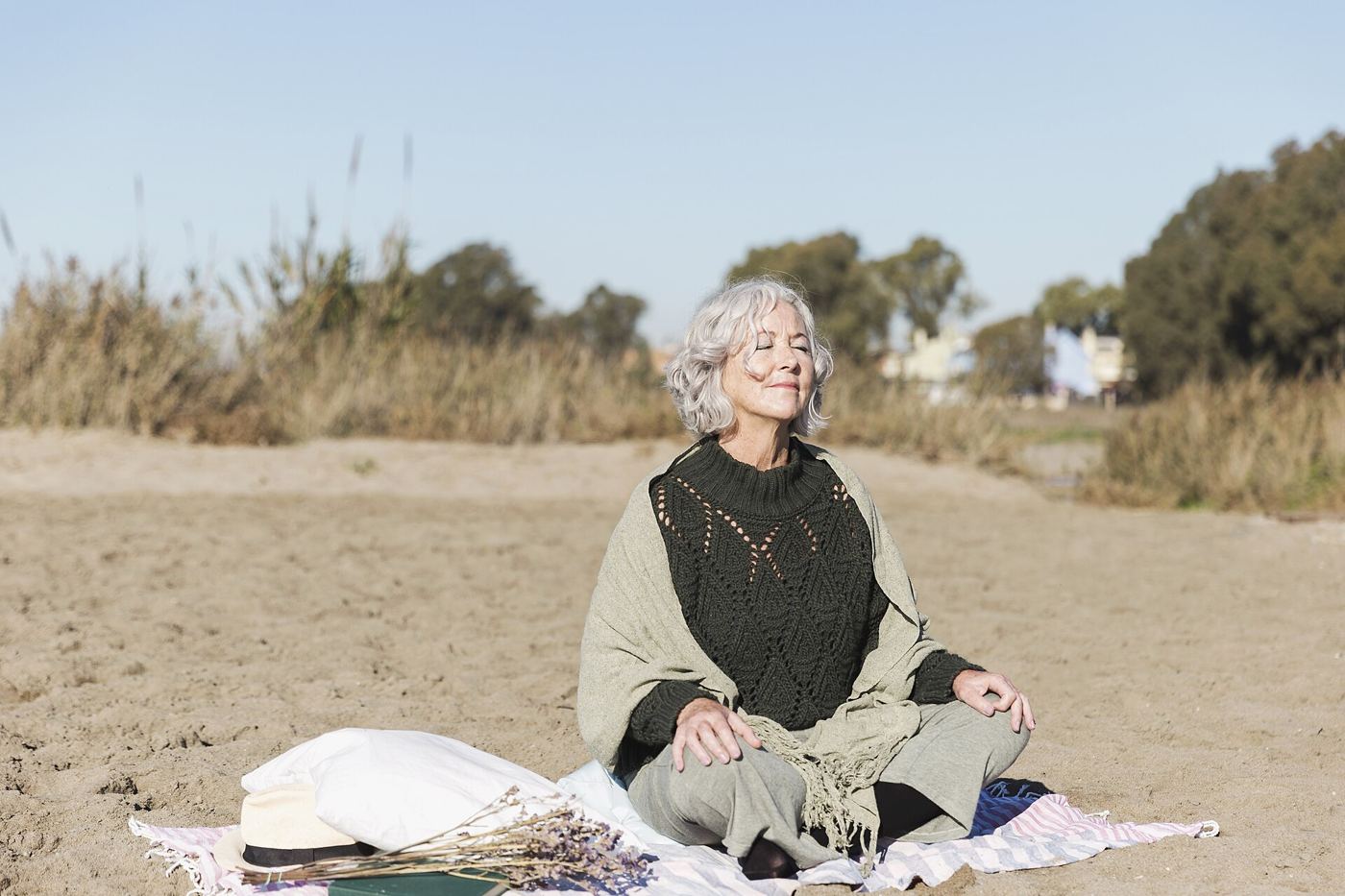
When stress rises, advice often arrives in overwhelming form: change your routine, fix your sleep, exercise more, worry less. Yet psychologists increasingly point to something far smaller that people can actually do in a difficult moment, which is slow down their breathing and take a genuine pause. A few unhurried breaths, with the exhale slightly longer than the inhale, can help the body step back from its alarm response. It is not a cure for the problems causing the stress, and it should never be presented that way. But as a first response, it creates a brief gap between feeling overwhelmed and deciding what to do next.
What the Evidence Shows
The habit works best when practised during calm moments rather than attempted for the first time in a crisis, much like learning any other skill. Pairing a short pause with an existing routine, such as making tea, walking between meetings, or stepping outside for daylight, makes it easier to remember. People also find it helps to name what they are feeling in plain words, because vague tension is harder to address than recognised frustration, tiredness, or worry. If stress becomes persistent or begins to affect health and daily life, professional support matters far more than any breathing exercise. Used honestly, though, the pause is a modest tool that respects both its limits and its real value. Reporting and analysis from sources such as American Psychological Association track the same developments, and specialists following calm pauses during stressful days say the direction is now consistent across independent lines of evidence.
The Wider Context
The wider context is a discipline rebuilding confidence through replication and pre-registration, and findings on calm pauses during stressful days are being reported with their effect sizes and limits attached. That honesty can make results sound smaller than the headlines of a decade ago, but the effects that survive are the ones practitioners can responsibly build on.
What Happens Next
What happens next in research on calm pauses during stressful days is a turn toward real-world trials: longer, larger and conducted in the schools, workplaces and clinics where the findings are meant to apply. Psychologists are also studying individual differences more seriously, because average effects conceal the people for whom an approach works powerfully and those it leaves cold. Both shifts make the science slower and more useful. You can follow related developments in our coverage of psychology.
There is a practical lesson in all of this for readers deciding what to do today. Start with the verified facts, be wary of anyone promising certainty, and prefer reversible steps while the evidence is still developing. Circumstances differ by country, income and personal situation, so general guidance should always be weighed against your own context before you act on it in any significant or lasting way.
