

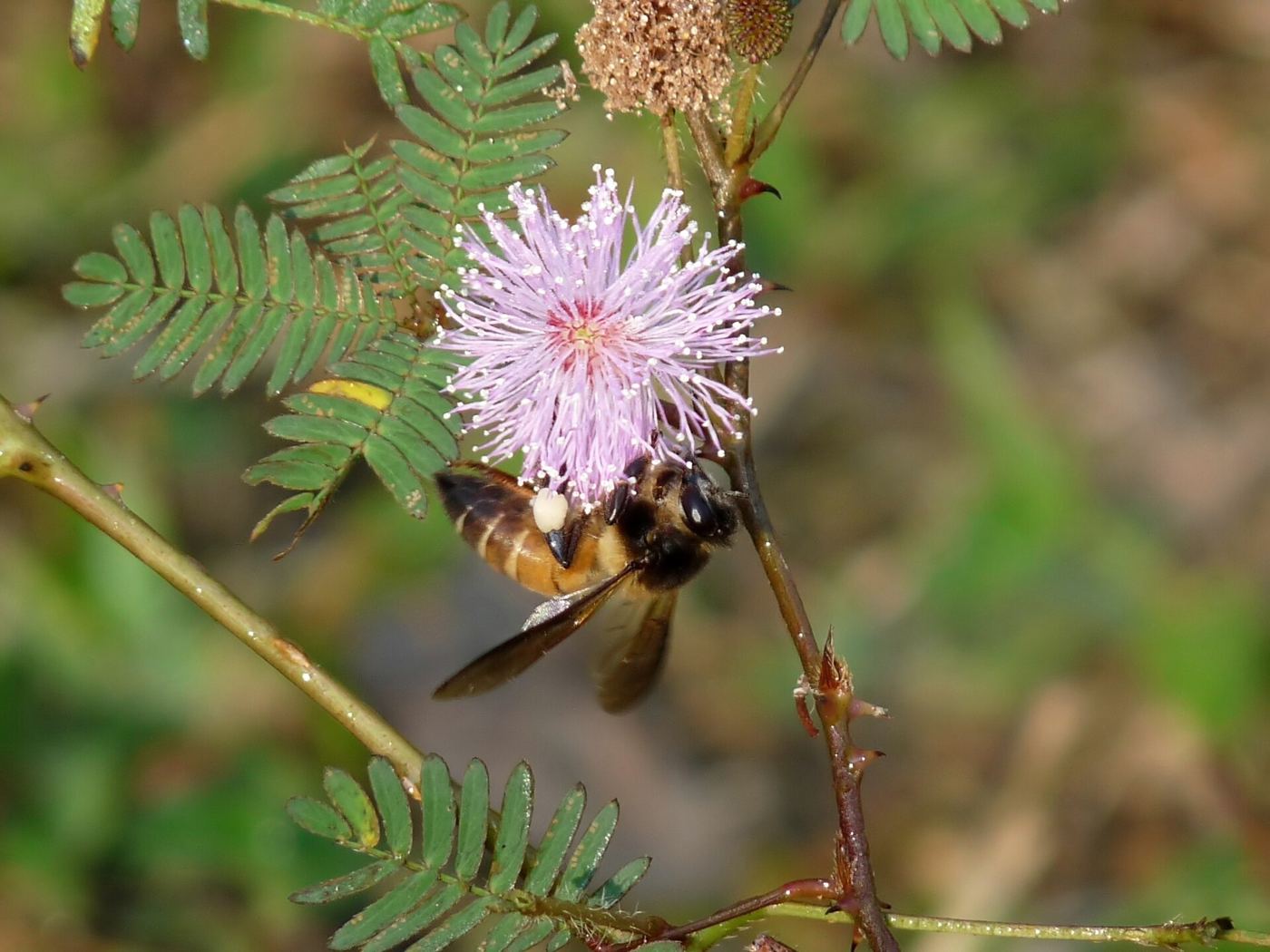
Coordinated planting of bee friendly flowers across farms, gardens and roadside verges is being linked to measurable increases in pollinator numbers in monitored areas. Surveys recorded more honeybees, bumblebees and hoverflies visiting sites where flowering plants were chosen to provide nectar from early spring through late autumn. The key change is continuity. Pollinators struggle when food is plentiful for a few weeks but scarce for the rest of the season. Specialists following honeybee pollinator recovery say habitat quality matters as much as quantity. Planting schemes now avoid pesticide treated stock, include nesting areas and leave some ground undisturbed for solitary bees. Farmers are sowing flower strips along field margins, which support pollination of nearby crops while reducing soil erosion. Councils have adjusted mowing schedules so verge flowers can bloom and set seed. Beekeepers report healthier colonies near diverse forage, although weather and disease remain major influences. The monitoring involves volunteers counting insects on set routes, creating a long term picture that single season studies cannot provide.
What the Evidence Shows
Researchers caution that honeybees, which are managed livestock, should not overshadow wild pollinators that often need more specific plants and nesting sites. Balanced schemes therefore include a variety of flower shapes to suit different tongues and body sizes. Schools have joined by planting pollinator gardens and recording visits as part of science lessons. Seed suppliers are responding with regional mixtures adapted to local soils rather than generic blends. Drought tolerant choices are gaining importance as summers become less predictable. Gardeners are advised that even a small window box helps when neighbourhoods act together, creating connected feeding routes across a town. Pesticide reduction at home is another simple step, particularly avoiding sprays on open flowers. The survey teams will repeat counts next season to check whether gains persist. Their early message is hopeful but practical: where food, shelter and safer conditions are provided together, pollinator communities can recover noticeably within a few years. Reporting and analysis from sources such as National Science Foundation track the same developments, and specialists following honeybee pollinator recovery say the direction is now consistent across independent lines of evidence.
The Wider Context
The wider context is a research landscape in which replication and open data now decide reputations. Findings connected to honeybee pollinator recovery are being checked by independent groups with shared datasets, and the teams involved publish their methods in full so rivals can test every step. That discipline is slower than a headline cycle, but it is why results in this area increasingly survive first contact with scrutiny.
What Happens Next
What happens next in the story of honeybee pollinator recovery will be decided by follow-up work already under way: larger samples, longer observation and instruments that have not yet come online. The researchers involved are unusually united on one point, that the current results justify the next investment of time and money. Readers will not have to wait long for the first tests of that claim. You can follow related developments in our coverage of science.
There is a practical lesson in all of this for readers deciding what to do today. Start with the verified facts, be wary of anyone promising certainty, and prefer reversible steps while the evidence is still developing. Circumstances differ by country, income and personal situation, so general guidance should always be weighed against your own context before you act on it in any significant or lasting way.
