

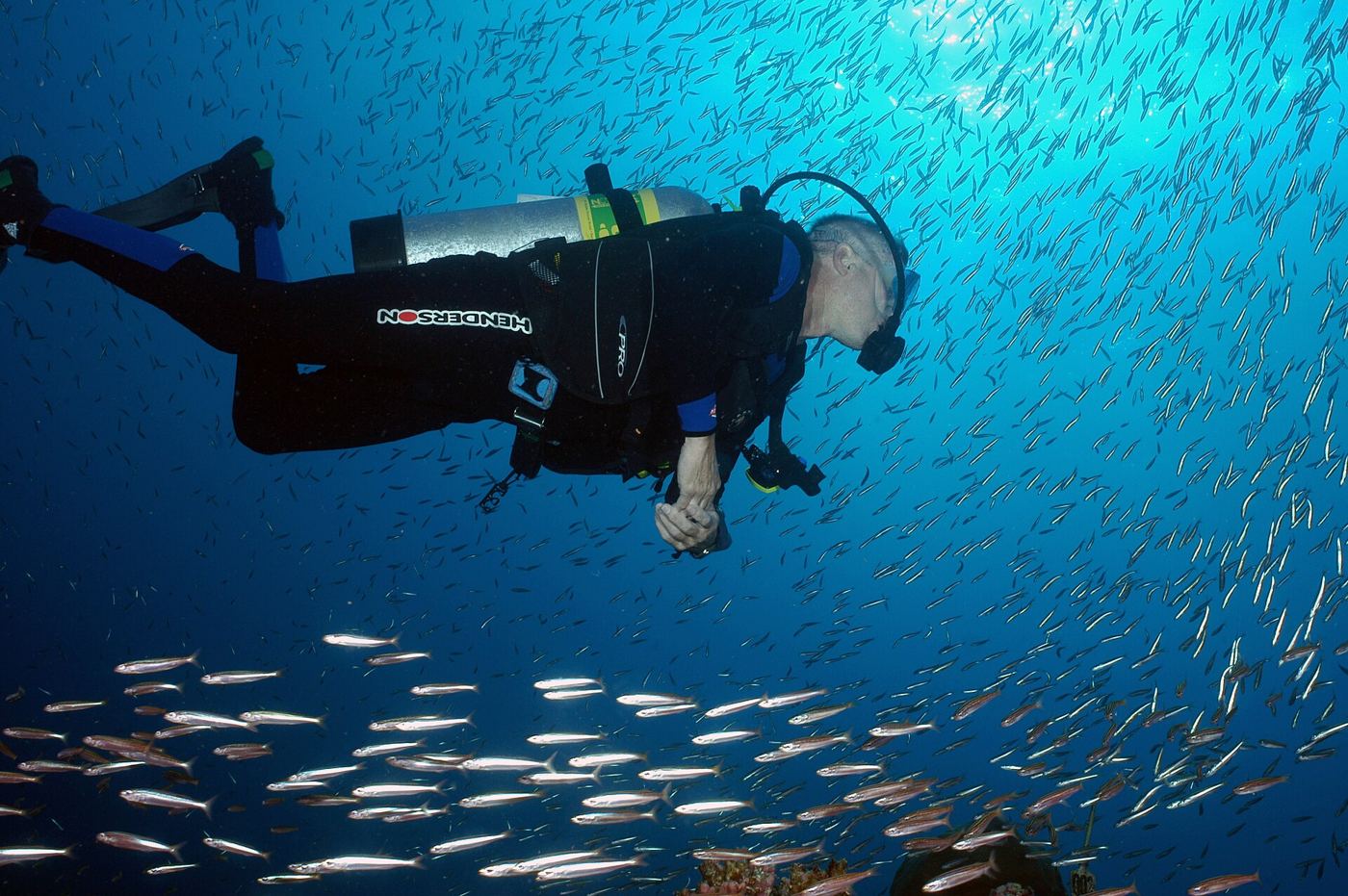
Along many temperate coasts, tall kelp grows in dense underwater forests that sway with the swell and support an unusually rich web of life. Marine biologists describe kelp as both habitat and infrastructure, because its fronds slow water movement, provide nursery shelter for young fish and invertebrates, and offer food and cover for sea otters, seals and seabirds. Kelp also draws carbon from seawater as it grows rapidly in sunlight, which is why restoration teams are paying close attention to places where forests have thinned after marine heatwaves, storms or grazing by sea urchins. Replanting is painstaking work that begins in nurseries on land. That nursery work matters because kelp grows fast only when light, nutrients and temperature stay within a suitable range, so teams choose sites carefully and monitor them through changing seasons rather than planting once and walking away from the project.
What the Evidence Shows
Divers working in kelp restoration carefully anchor young plants to rocky reefs and then return over following months to check growth, grazing pressure and water clarity. Scientists stress that kelp is not a simple climate fix on its own, since stored carbon only helps if forests persist and the wider food web remains balanced. Even so, healthy kelp beds bring immediate local benefits that are easier to measure, including nursery habitat, coastal protection and support for small-scale fisheries and tourism. For coastal communities, the appeal is practical as well as ecological, because a living forest offshore can mean more resilient waters close to home. Long-term surveys then show whether new forests survive storms, attract returning species and remain free of the pressures that removed the original beds, giving managers honest evidence about where restoration is working and where different methods are still needed. Reporting and analysis from sources such as Nature track the same developments, and specialists following kelp forest restoration say the direction is now consistent across independent lines of evidence.
The Wider Context
The wider context is a research landscape in which replication and open data now decide reputations. Findings connected to kelp forest restoration are being checked by independent groups with shared datasets, and the teams involved publish their methods in full so rivals can test every step. That discipline is slower than a headline cycle, but it is why results in this area increasingly survive first contact with scrutiny.
What Happens Next
What happens next in the story of kelp forest restoration will be decided by follow-up work already under way: larger samples, longer observation and instruments that have not yet come online. The researchers involved are unusually united on one point, that the current results justify the next investment of time and money. Readers will not have to wait long for the first tests of that claim. You can follow related developments in our coverage of science.
None of this will be settled by a single announcement, study or product launch. The pattern to watch is accumulation: independent confirmations, honest reporting of failures and steady improvement in the underlying numbers. Readers who follow those signals, rather than the loudest claim of the week, will understand this subject better than most of the commentary surrounding it suggests is possible.
