

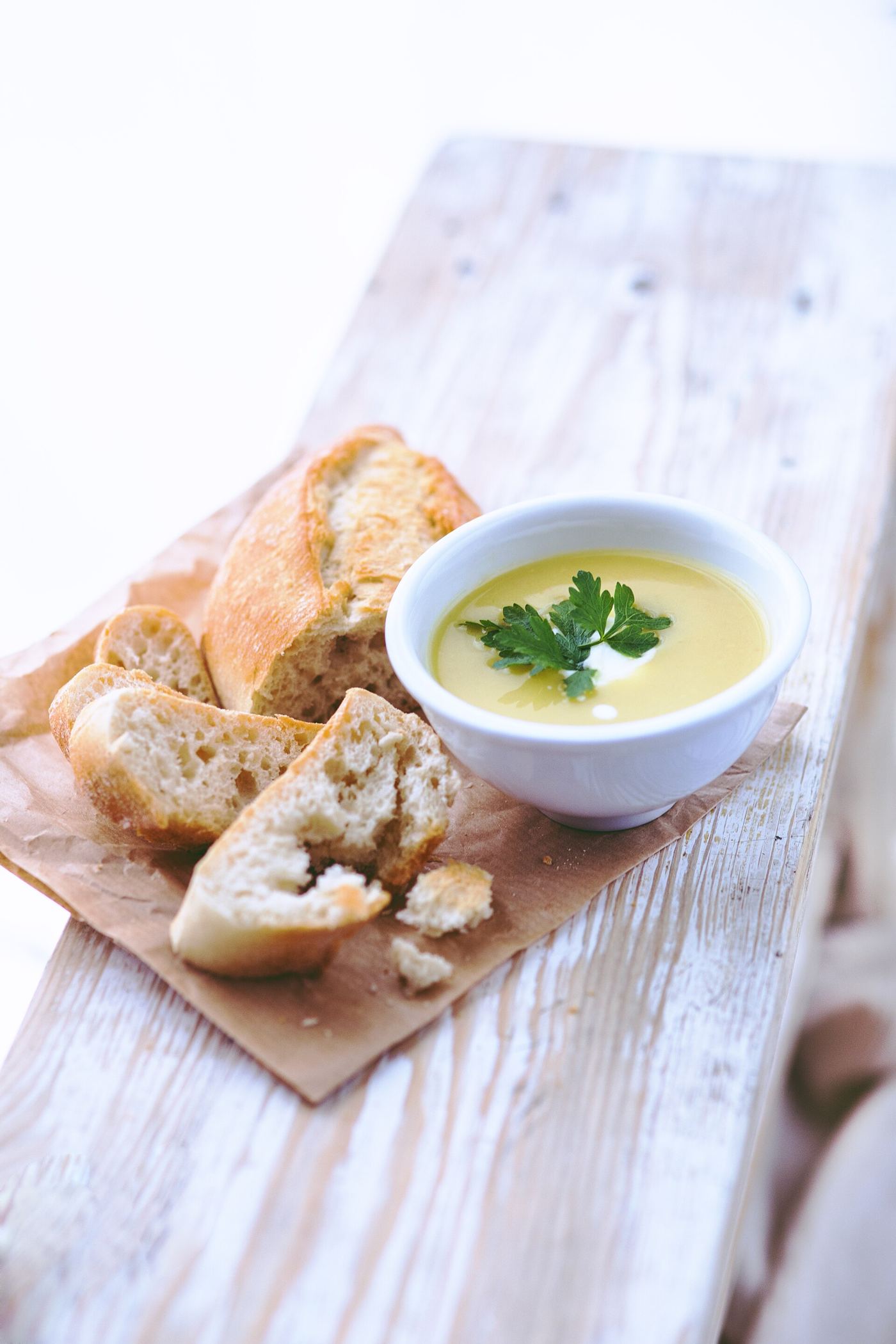
Weekend food clubs bringing grandparents and children together in the kitchen are growing in popularity, combining cooking skills, family time and healthy eating in a single activity. Community centres, schools and faith groups host the sessions, where older cooks share traditional recipes and practical techniques while children learn to wash, peel, stir and season under supervision. Organisers say the exchange runs both ways: children gain confidence with real ingredients and equipment, while grandparents enjoy company, purpose and the pleasure of passing on knowledge that might otherwise be lost. Menus are planned to be nutritious and affordable, often built around vegetables, grains and pulses, with children more willing to taste a finished dish when they helped to create it. Dietitians who support the clubs note that cooking from scratch naturally reduces reliance on processed foods high in salt, sugar and saturated fat. Sessions also build children’s understanding of where food comes from, how seasons affect price and flavour, and why planning meals reduces waste. For families where grandparents live far away, some clubs pair children with older volunteers from the local community, creating new connections across generations. The result is part cooking lesson, part social occasion and part informal health education for everyone involved each weekend.
What the Evidence Shows
Running the clubs safely and smoothly involves simple organisation: recipes are chosen for manageable steps, allergen information is collected in advance and tasks are matched to each child’s age and ability. Younger children might tear herbs, wash vegetables or mix batters, while older ones progress to supervised chopping and cooking at the stove alongside an adult. Coordinators find that eating together at the end matters as much as the cooking itself, giving families unhurried time to talk and children a setting where trying new foods feels relaxed rather than pressured. Many clubs send participants home with the recipe and a small bag of ingredients, encouraging families to repeat the dish during the week. Funding usually comes from small grants, modest contributions and local business donations of surplus produce, keeping the sessions accessible to households on tight budgets. Health visitors and school nurses sometimes attend to answer questions about fussy eating, packed lunches and balanced diets in an informal setting. Evaluations of similar schemes report improvements in children’s willingness to eat vegetables and in older participants’ sense of connection and wellbeing. As one organiser put it, the clubs feed people twice: once at the table, and again through the skills and relationships they take home. Reporting and analysis from sources such as World Health Organization track the same developments, and specialists following intergenerational weekend food clubs say the direction is now consistent across independent lines of evidence.
The Wider Context
The wider context is a health system trying to move from treating illness late to preventing it early, against budgets that reward the opposite. Evidence around intergenerational weekend food clubs is being weighed by guideline committees that ask two questions in order: does it work, and can ordinary services actually deliver it at scale. Many good ideas pass the first test and stall on the second.
What Happens Next
What happens next for intergenerational weekend food clubs depends on the slow machinery of guidelines, funding and training catching up with the evidence. Patients asking about it today should expect honest answers that include uncertainty, and clinicians say a service that explains what is not yet known earns more trust than one that oversells. The research pipeline, at least, is moving in the right direction. You can follow related developments in our coverage of health.
