

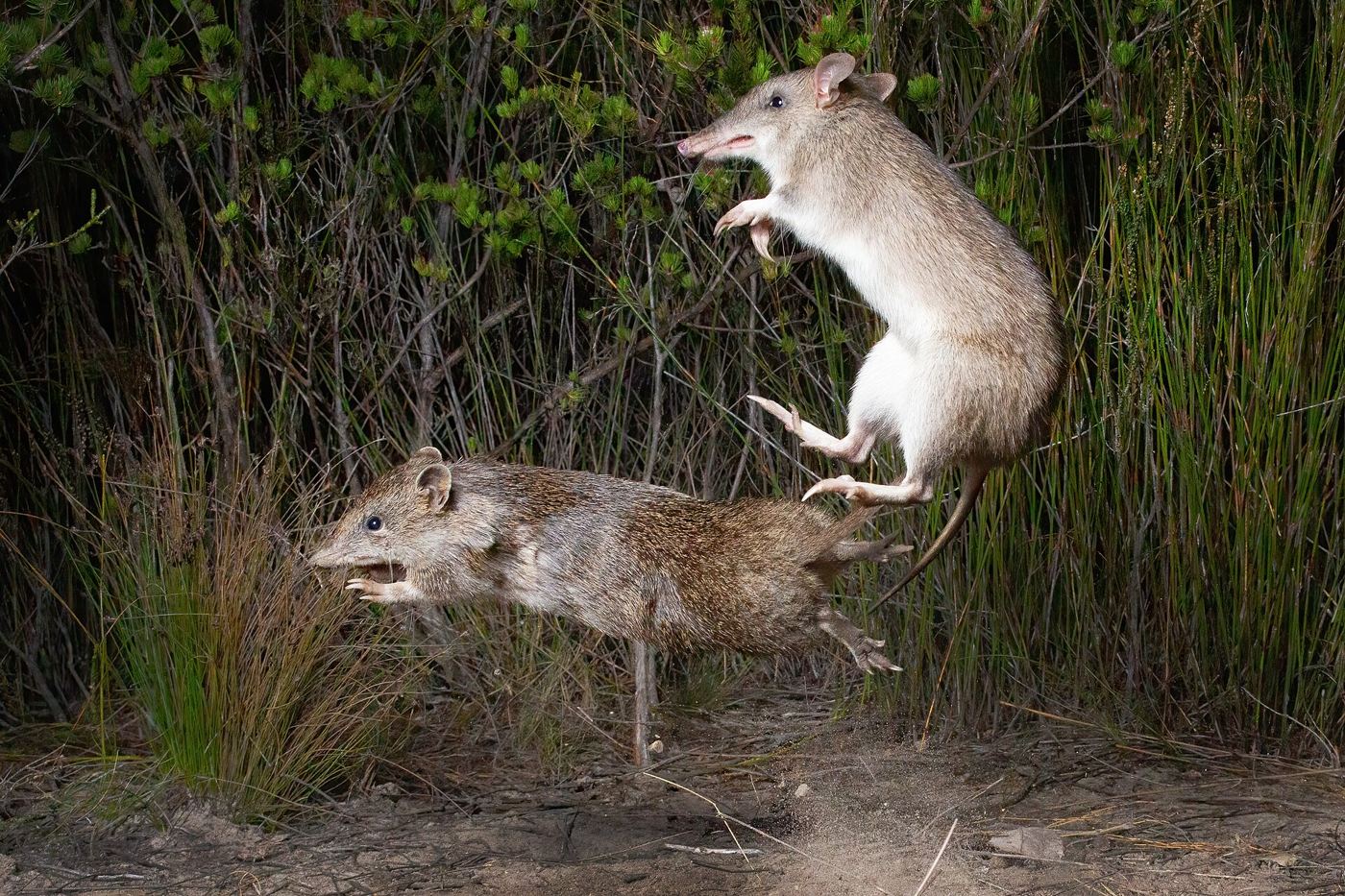
A ten-year investigation of museum specimens has uncovered two previously unrecognised species of bandicoot, the small digging marsupials of Australia and New Guinea. Researchers led by Kenny Travouillon examined hundreds of historical and modern specimens held in museum collections around the world, comparing their genetics and their skulls, teeth and fur. The findings, published in the Australian Journal of Taxonomy on 2 November 2026, add two species to the genus Isoodon, the short-nosed or brown bandicoots. One is the little brown bandicoot, Isoodon microtis, a newly described species from South Australia. The other is the New Guinea brown bandicoot, Isoodon moresbyensis, previously regarded as a subspecies of the northern brown bandicoot but now recognised as a species in its own right. The revision also expanded the known range of the quenda, or southwestern brown bandicoot, and reshaped understanding of one of Australia’s native mammal groups.
What the Evidence Shows
The revision changes the map of bandicoots in South Australia, which was once thought to hold a single species but is now known to have been home to three: the southern brown bandicoot, the little brown bandicoot and the quenda. That matters for conservation, because animals once lumped together as one widespread species may in fact be several smaller, more vulnerable populations, each with its own range and threats. Bandicoots are ecologically important diggers that turn over soil as they forage for insects, fungi and roots, aerating the ground and spreading seeds. The discovery also shows the value of museum collections: specimens gathered over more than a century, some long mislabelled in drawers, still hold undescribed species. The team described several new subspecies as well, and the researchers say the work will help conservationists decide where protection is most urgently needed. Reporting and analysis from sources such as Nature track the same developments, and specialists following the two new bandicoot species say the direction is now consistent across independent lines of evidence.
The Wider Context
The wider context is a research landscape in which replication and open data now decide reputations. Findings connected to the two new bandicoot species are being checked by independent groups with shared datasets, and the teams involved publish their methods in full so rivals can test every step. That discipline is slower than a headline cycle, but it is why results in this area increasingly survive first contact with scrutiny.
What Happens Next
What happens next in the story of the two new bandicoot species will be decided by follow-up work already under way: larger samples, longer observation and instruments that have not yet come online. The researchers involved are unusually united on one point, that the current results justify the next investment of time and money. Readers will not have to wait long for the first tests of that claim. You can follow related developments in our coverage of science.
None of this will be settled by a single announcement, study or product launch. The pattern to watch is accumulation: independent confirmations, honest reporting of failures and steady improvement in the underlying numbers. Readers who follow those signals, rather than the loudest claim of the week, will understand this subject better than most of the commentary surrounding it suggests is possible.
