

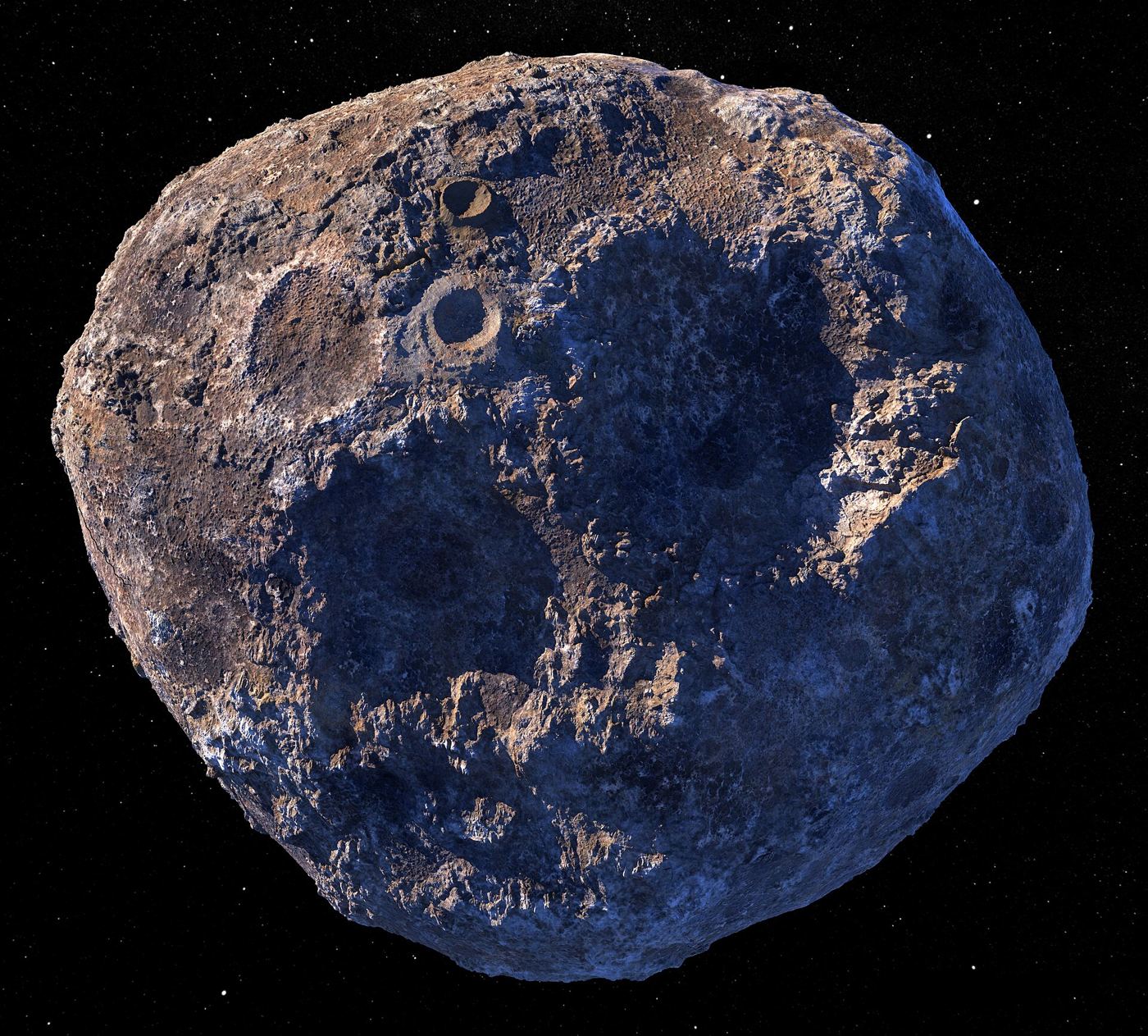
Fresh material returned from asteroids is giving scientists a sharper picture of how the solar system formed, and some long-held timelines are being revised as a result. Grains collected from dark, carbon-rich bodies contain minerals and organic compounds that formed before the planets took shape, offering a direct record that telescopes alone cannot provide. Researchers say the samples are unusually pristine because they spent billions of years shielded from the heat, weather and geological recycling that erase early history on Earth. Laboratory teams are now comparing material from different asteroids to test whether water and organic building blocks arrived on the young Earth from more than one source. The work is painstaking, with some grains smaller than a speck of dust, yet each one can reveal the temperature, chemistry and collisions experienced by its parent body. Early results suggest that mixing between distant regions of the early solar system was more common than many models assumed. That finding matters because it changes how scientists reconstruct the journey of water, carbon and other ingredients that later made life possible.
What the Evidence Shows
The next phase of the research will focus on precise dating and chemical fingerprinting, linking each sample to a particular family of asteroids and a stage in solar system history. Specialists following early solar system asteroid samples say that cross-checking results between laboratories is essential, because contamination or a single unusual grain could distort the story. Teams are therefore sharing measurements openly and repeating key tests on separate fragments before drawing firm conclusions. Attention is also turning to what the samples reveal about asteroid interiors, including how loosely bound rubble piles hold together and why some bodies break apart more easily than others. Those details have practical value for planetary defence, since the response to a threatening asteroid would depend on whether it is solid rock or a fragile pile of debris. For now, researchers caution that the revised timelines are a starting point, not a final history, and further sample returns will test them. Reporting and analysis from sources such as Nature track the same developments, and specialists following early solar system asteroid samples say the direction is now consistent across independent lines of evidence.
The Wider Context
The wider context is a research landscape in which replication and open data now decide reputations. Findings connected to early solar system asteroid samples are being checked by independent groups with shared datasets, and the teams involved publish their methods in full so rivals can test every step. That discipline is slower than a headline cycle, but it is why results in this area increasingly survive first contact with scrutiny.
What Happens Next
What happens next in the story of early solar system asteroid samples will be decided by follow-up work already under way: larger samples, longer observation and instruments that have not yet come online. The researchers involved are unusually united on one point, that the current results justify the next investment of time and money. Readers will not have to wait long for the first tests of that claim. You can follow related developments in our coverage of science.
None of this will be settled by a single announcement, study or product launch. The pattern to watch is accumulation: independent confirmations, honest reporting of failures and steady improvement in the underlying numbers. Readers who follow those signals, rather than the loudest claim of the week, will understand this subject better than most of the commentary surrounding it suggests is possible.
