

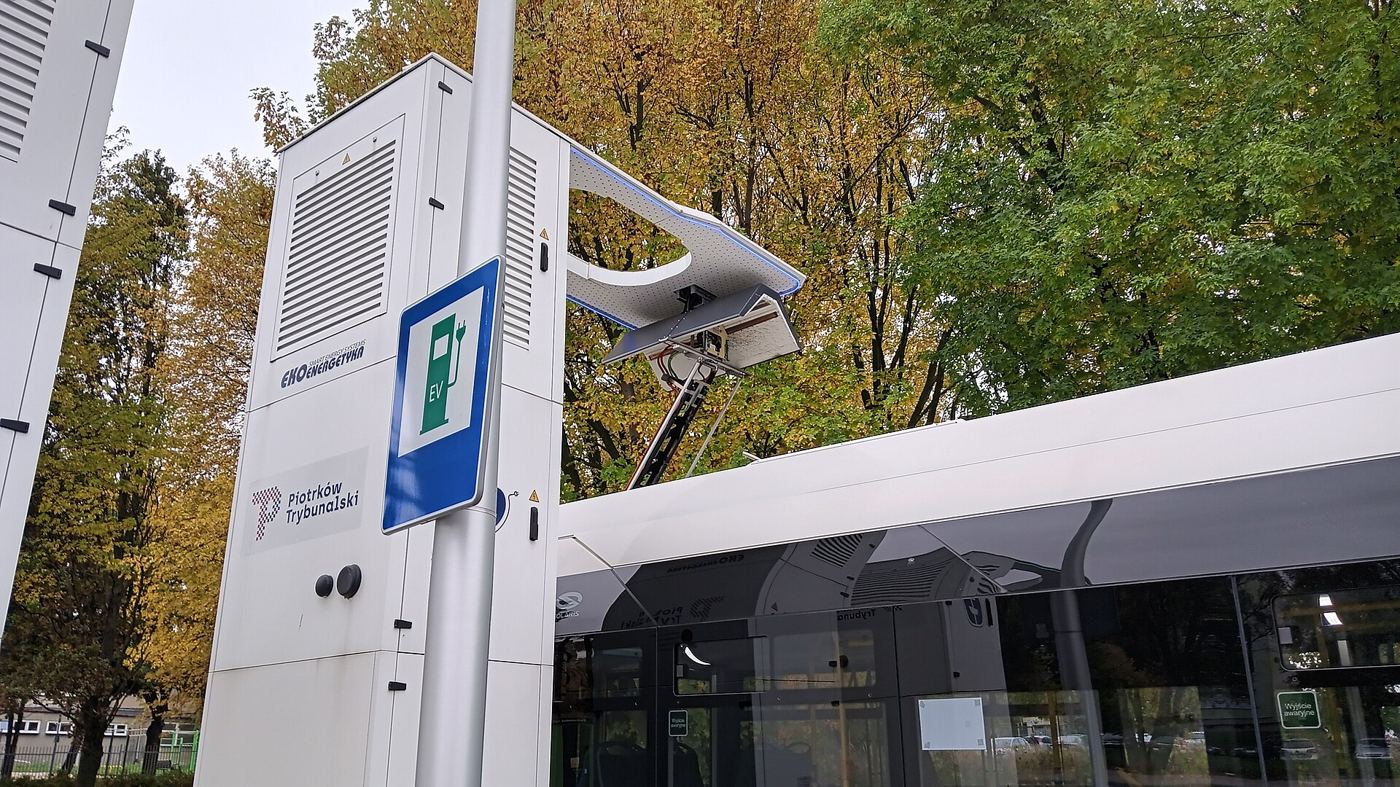
Electric buses are replacing diesel fleets on city routes worldwide, cutting street-level pollution and noise while lowering fuel and maintenance bills for operators. The development has moved quickly from specialist discussion into the mainstream, and transport authorities say the pace of change is now hard to ignore. For readers encountering electric bus adoption for the first time, the basic picture is straightforward: decisions taken this year will shape outcomes for much longer than a single news cycle. That is why the story has drawn attention well beyond its usual audience, and why it features in our latest news coverage this week.
The Background Behind the Story
Early concerns about range have eased as battery performance improved and depots installed overnight charging matched to real route patterns. Behind the headlines, electric bus adoption touches everyday concerns such as cost, safety, time and trust, which helps explain the intensity of the public response. Transport authorities argue that early, honest communication matters as much as the underlying policy, product or finding itself. Critics, meanwhile, warn against reading too much into early signals and ask for transparent data before firm conclusions are drawn. Both sides agree on one point: the effects will be felt unevenly, and the groups affected first are rarely those with the loudest voice in the debate.
What Experts Are Seeing
Rider surveys consistently praise the quieter, smoother journeys, while air quality monitoring near busy routes shows measurable falls in nitrogen oxides. Reporting and analysis from BBC News has helped separate confirmed findings from speculation, a distinction that matters when claims spread quickly online. Specialists stress that electric bus adoption should be judged on measured outcomes over months, not on a single announcement or a single dataset. Where results are promising, they point to consistent patterns across different places and groups; where results disappoint, they say the setbacks are themselves useful, because they show which assumptions need testing again before more money and attention are committed.
The Road Ahead
The remaining obstacles are upfront cost and grid capacity at depots, which cities are tackling through phased purchases and shared charging infrastructure. In the coming months, the milestones to watch are practical ones: published timelines, independent reviews, funding decisions and the first honest progress reports from transport authorities. Observers expect the debate to continue, particularly over who benefits first and who bears the costs while systems adjust. For now, the safest conclusion is a modest one: electric bus adoption is no longer a niche concern, and it will reward readers who follow the evidence rather than the noise.
In short, the story of electric bus adoption is still unfolding, and its final shape will depend on choices made by transport authorities, by institutions and by the public. We will update our reporting as new information is confirmed, and we will correct the record promptly where early reports turn out to have been incomplete or wrong.
It is a pattern specialists in the field recognise well, and one they expect to see repeated as the underlying pressures intensify rather than fade.
