

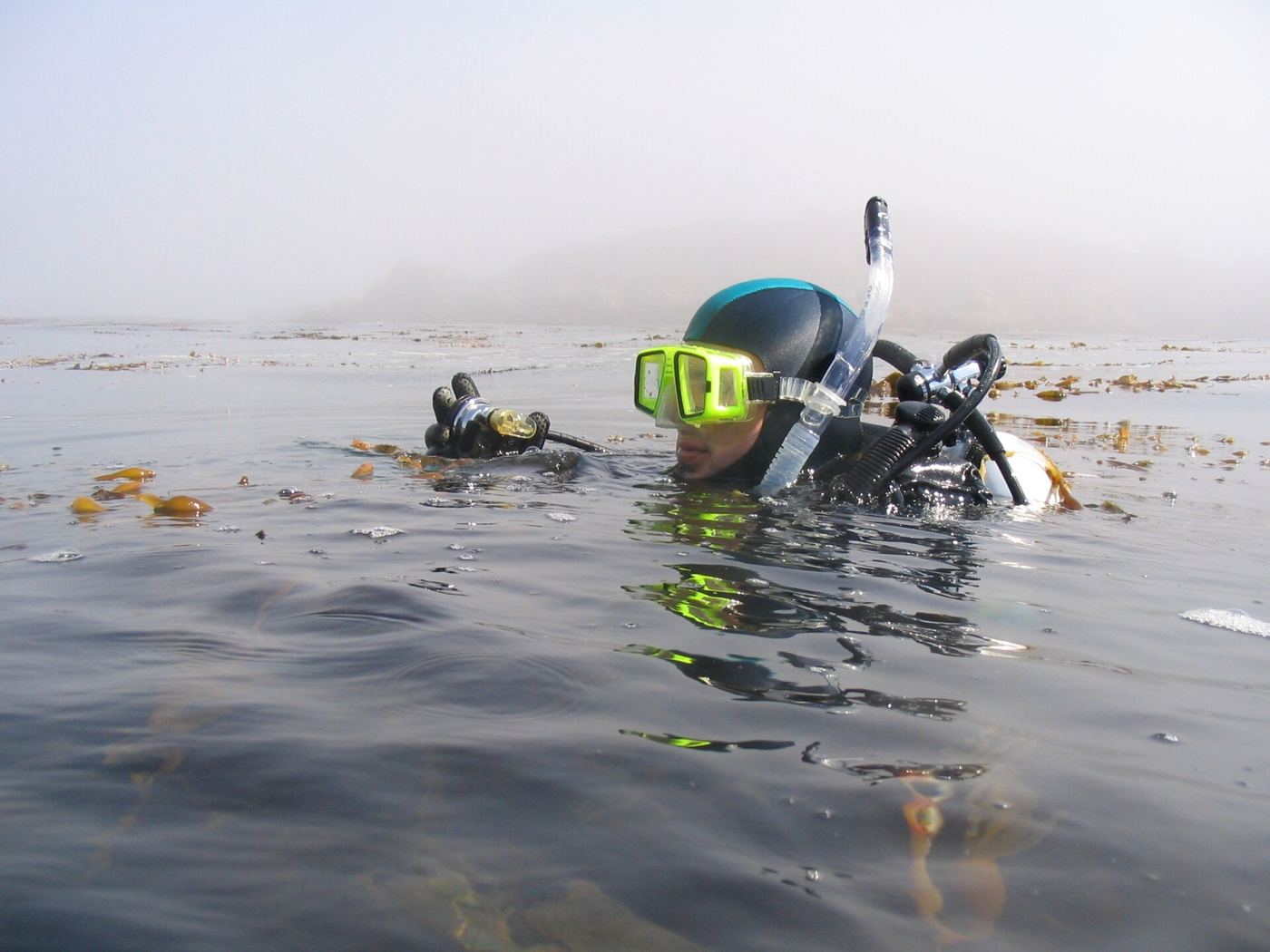
Marine researchers surveying cooler coastal waters this autumn are reporting encouraging signs of recovery in kelp forests that had thinned during recent warm periods. Divers documenting the sites describe taller canopies, denser understory growth, and a return of fish and invertebrates that shelter among the fronds. Kelp forests are among the most productive habitats in the ocean, supporting fisheries, buffering shorelines from wave energy, and storing carbon in fast growing tissue. Scientists say the rebound appears linked to cooler currents, reduced grazing pressure in some areas, and local efforts to protect water quality. The findings offer a cautious but hopeful picture for temperate reefs worldwide. Researchers say protecting these recovering sites now, before the next warm season arrives, will give the young kelp the best possible chance to mature fully.
What the Evidence Shows
Teams are now comparing satellite imagery, diver surveys, and temperature records to understand which conditions helped the forests return and how long the recovery might last. Restoration groups note that kelp can regrow quickly when stressors ease, yet repeated marine heatwaves can reverse gains within a single season. Managers are therefore pairing natural recovery with active planting, urchin control where needed, and stricter limits on runoff that clouds the water. Researchers stress that kelp forests will not recover everywhere at once, and local conditions matter greatly. Continued monitoring through winter will show whether the new growth survives storms and establishes a lasting canopy. If the recovery holds, scientists expect benefits for local fisheries and tourism, as healthier kelp beds attract divers and support the young fish that coastal economies depend upon each year. Reporting and analysis from sources such as Nature track the same developments, and specialists following recovering kelp forest ecosystems say the direction is now consistent across independent lines of evidence.
The Wider Context
The wider context is a research landscape in which replication and open data now decide reputations. Findings connected to recovering kelp forest ecosystems are being checked by independent groups with shared datasets, and the teams involved publish their methods in full so rivals can test every step. That discipline is slower than a headline cycle, but it is why results in this area increasingly survive first contact with scrutiny.
What Happens Next
What happens next in the story of recovering kelp forest ecosystems will be decided by follow-up work already under way: larger samples, longer observation and instruments that have not yet come online. The researchers involved are unusually united on one point, that the current results justify the next investment of time and money. Readers will not have to wait long for the first tests of that claim. You can follow related developments in our coverage of science.
None of this will be settled by a single announcement, study or product launch. The pattern to watch is accumulation: independent confirmations, honest reporting of failures and steady improvement in the underlying numbers. Readers who follow those signals, rather than the loudest claim of the week, will understand this subject better than most of the commentary surrounding it suggests is possible.
