

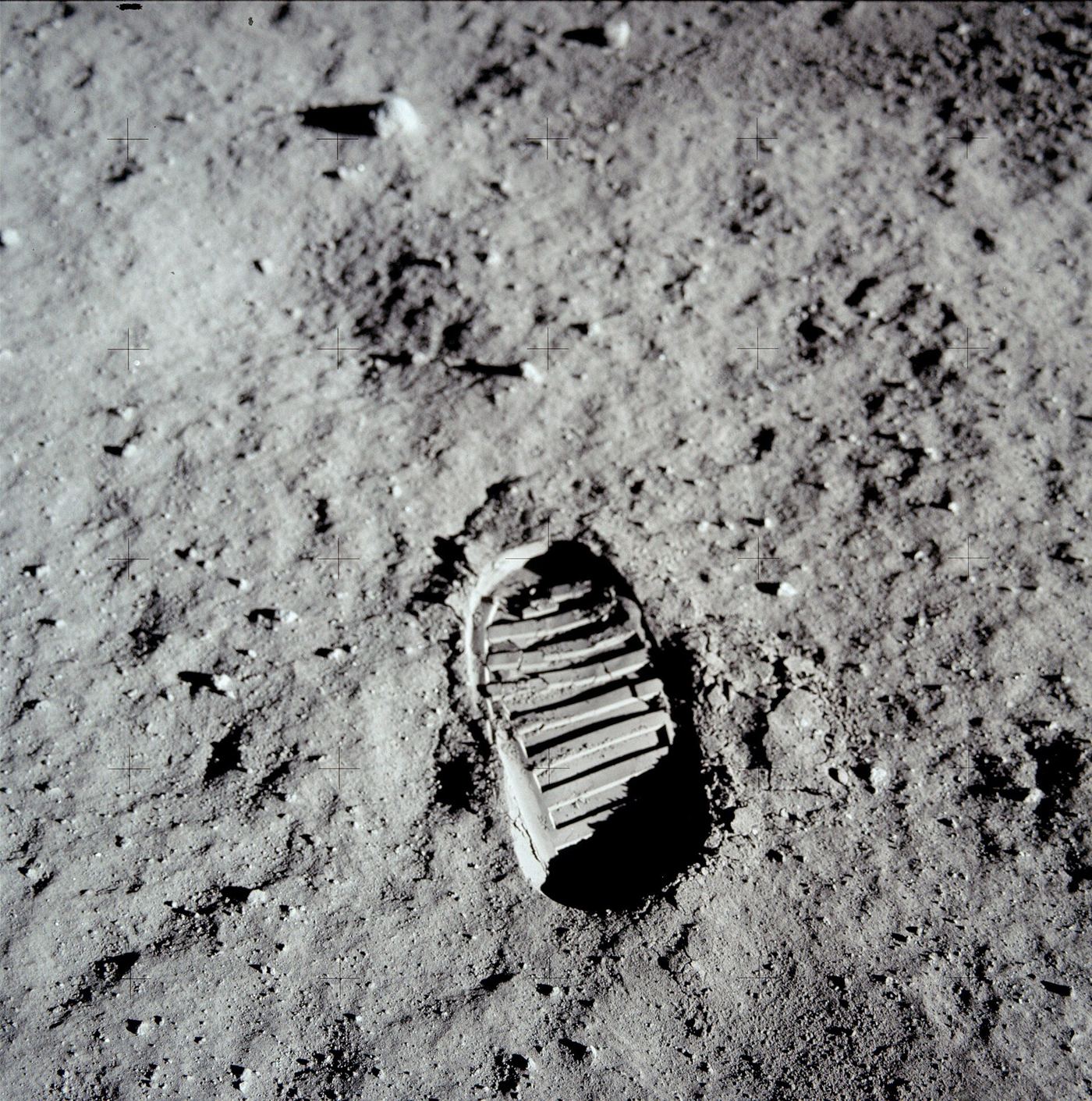
New high-resolution maps of the Moon’s south pole are pinpointing craters that never receive direct sunlight, where water ice is thought to survive for billions of years. Orbiting instruments have combined temperature readings, radar reflections and shadow modelling to rank these cold traps by likely ice content. The results matter for future landing sites, because accessible ice could supply drinking water, oxygen and even rocket propellant for crews working far from Earth supply lines.
What the Evidence Shows
Mission planners say the maps narrow a vast polar region down to a shortlist of slopes that rovers could realistically reach without losing solar power for long. Engineers are now testing drills and heaters designed to extract ice from soil that is colder than minus 200 degrees Celsius. Scientists caution that orbital signals still need ground confirmation, so the next generation of lunar rovers will sample several sites before any permanent extraction plans are approved. Reporting and analysis from sources such as Nature track the same developments, and specialists following the new lunar polar ice maps say the direction is now consistent across independent lines of evidence.
The Wider Context
The wider context is a research landscape in which replication and open data now decide reputations. Findings connected to the new lunar polar ice maps are being checked by independent groups with shared datasets, and the teams involved publish their methods in full so rivals can test every step. That discipline is slower than a headline cycle, but it is why results in this area increasingly survive first contact with scrutiny.
What Happens Next
What happens next in the story of the new lunar polar ice maps will be decided by follow-up work already under way: larger samples, longer observation and instruments that have not yet come online. The researchers involved are unusually united on one point, that the current results justify the next investment of time and money. Readers will not have to wait long for the first tests of that claim. You can follow related developments in our coverage of science.
None of this will be settled by a single announcement, study or product launch. The pattern to watch is accumulation: independent confirmations, honest reporting of failures and steady improvement in the underlying numbers. Readers who follow those signals, rather than the loudest claim of the week, will understand this subject better than most of the commentary surrounding it suggests is possible.
There is a practical lesson in all of this for readers deciding what to do today. Start with the verified facts, be wary of anyone promising certainty, and prefer reversible steps while the evidence is still developing. Circumstances differ by country, income and personal situation, so general guidance should always be weighed against your own context before you act on it in any significant or lasting way.
