

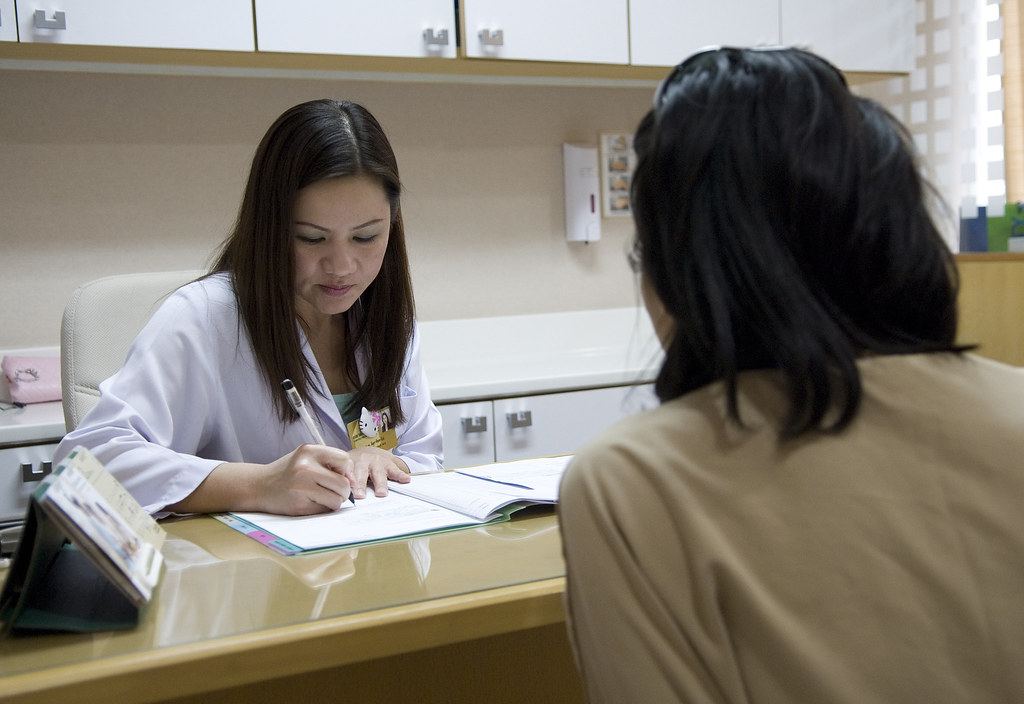
Health screening appointments are giving patients time to ask the right questions, turning a routine test into a conversation about the future rather than a hurried formality. Screening programmes check for conditions such as bowel cancer, breast cancer, cervical changes and abdominal aneurysms, often before any symptoms appear, when treatment is most effective. Yet many people attend the test and leave without understanding what was checked, what the result means or what happens next, which is why clinicians are encouraging patients to use the appointment as a chance to talk. A few prepared questions, such as what the test looks for, how results arrive and what follow-up is needed, can transform the experience from a box-ticking exercise into genuinely useful care. Uptake varies widely between areas and age groups, with younger adults and people in deprived neighbourhoods less likely to attend, a gap health services are working to close through reminders, flexible hours and community outreach.
What the Evidence Shows
Health services say the most important step is simply attending when invited, since screening only works when people take part, and reminders are sent because a missed appointment may mean a missed early warning. Patients who feel anxious about a test should say so, as staff can explain each step, allow extra time or arrange a chaperone. After screening, results usually arrive by letter, and anyone who does not hear back within the stated time should contact the service rather than assuming all is well. Screening does not catch every case, and symptoms between appointments should still be checked promptly with a doctor. Used well, a screening appointment is a brief investment of time that buys reassurance, early answers and the chance to ask the questions that matter. Bringing a member or friend can help, for patients who feel nervous, since a pair of ears remembers details that one person might miss. Reporting and analysis from sources such as World Health Organization track the same developments, and specialists following health screening appointments say the direction is now consistent across independent lines of evidence.
The Wider Context
The wider context is a health system trying to move from treating illness late to preventing it early, against budgets that reward the opposite. Evidence around health screening appointments is being weighed by guideline committees that ask two questions in order: does it work, and can ordinary services actually deliver it at scale. Many good ideas pass the first test and stall on the second.
What Happens Next
What happens next for health screening appointments depends on the slow machinery of guidelines, funding and training catching up with the evidence. Patients asking about it today should expect honest answers that include uncertainty, and clinicians say a service that explains what is not yet known earns more trust than one that oversells. The research pipeline, at least, is moving in the right direction. You can follow related developments in our coverage of health.
There is a practical lesson in all of this for readers deciding what to do today. Start with the verified facts, be wary of anyone promising certainty, and prefer reversible steps while the evidence is still developing. Circumstances differ by country, income and personal situation, so general guidance should always be weighed against your own context before you act on it in any significant or lasting way.
