

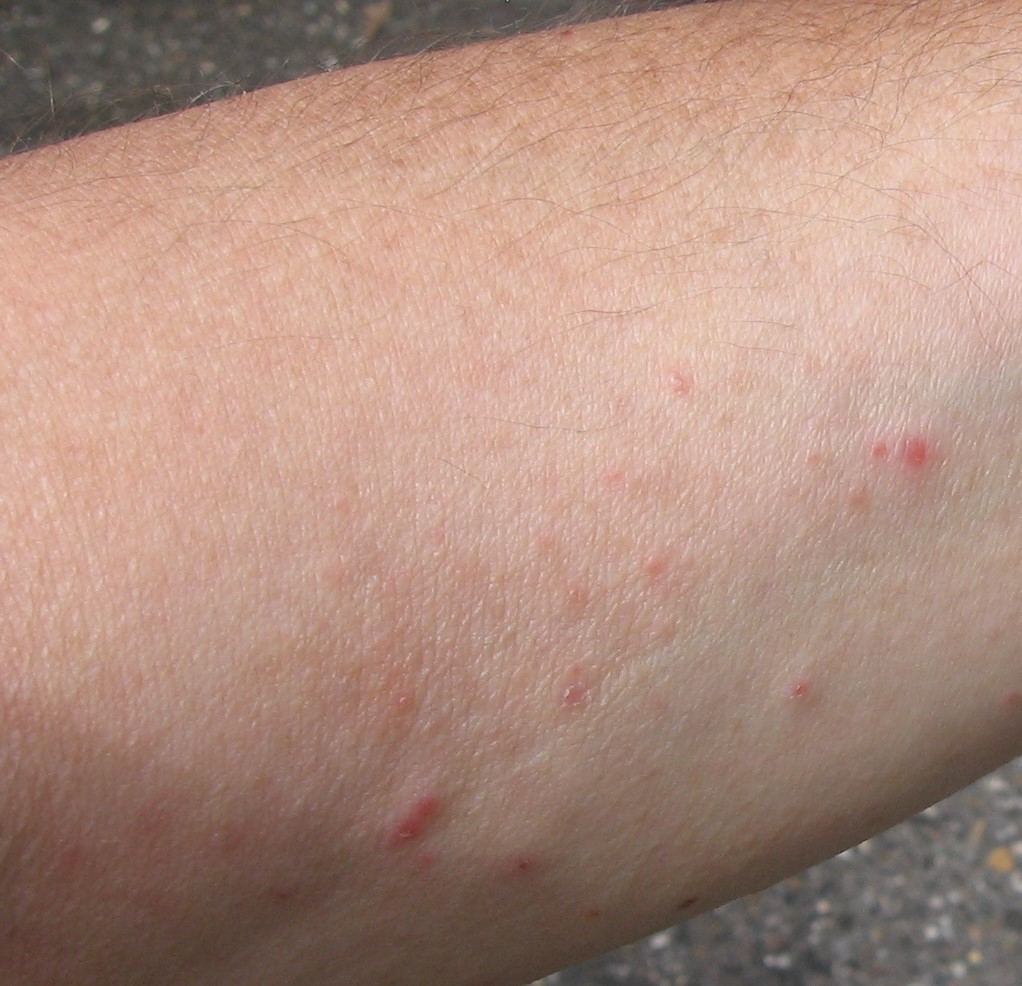
Two doses of the shingles vaccine were associated with a 51 percent lower risk of dementia in adults aged 65 and older, according to a large real-world study published on 9 February 2026 in Nature Communications. Researchers at Kaiser Permanente Southern California followed 65,800 people who received two doses of the recombinant zoster vaccine, Shingrix, between April 2018 and December 2020, matched against 263,200 unvaccinated people, with an average follow-up of 3.4 years. The adjusted hazard ratio was 0.49, meaning the vaccinated group had roughly half the dementia risk, and the reduction was seen across age and racial and ethnic groups but was stronger in women. The vaccine was also linked to lower risks of Alzheimer’s disease and vascular dementia, and a 16 percent lower risk of mild cognitive impairment.
What the Evidence Shows
The result is observational, so it cannot prove the vaccine prevents dementia, and the researchers tested that weakness directly. When they compared shingles vaccination against the tetanus vaccine as a negative control, the association shrank to a hazard ratio of 0.73, suggesting part of the apparent benefit reflects healthier people being more likely to get vaccinated, but a significant association remained. A systematic review published on 13 November 2026 in the journal Vaccines, synthesising 36 reports, found the same direction of effect across study designs, with natural experiments showing about a 20 percent reduction in dementia when scaled to actual vaccination. A Welsh natural experiment that exploited a 2 September 1933 birthday eligibility cutoff found a similar 20 percent lower dementia risk over seven years. Reporting and analysis from sources such as World Health Organization track the same developments, and specialists following the shingles vaccine’s 51 percent lower dementia risk say the direction is now consistent across independent lines of evidence.
The Wider Context
The wider context is a health system trying to move from treating illness late to preventing it early, against budgets that reward the opposite. Evidence around the shingles vaccine’s 51 percent lower dementia risk is being weighed by guideline committees that ask two questions in order: does it work, and can ordinary services actually deliver it at scale. Many good ideas pass the first test and stall on the second.
What Happens Next
What happens next for the shingles vaccine’s 51 percent lower dementia risk depends on the slow machinery of guidelines, funding and training catching up with the evidence. Patients asking about it today should expect honest answers that include uncertainty, and clinicians say a service that explains what is not yet known earns more trust than one that oversells. The research pipeline, at least, is moving in the right direction. You can follow related developments in our coverage of health.
There is a practical lesson in all of this for readers deciding what to do today. Start with the verified facts, be wary of anyone promising certainty, and prefer reversible steps while the evidence is still developing. Circumstances differ by country, income and personal situation, so general guidance should always be weighed against your own context before you act on it in any significant or lasting way.
